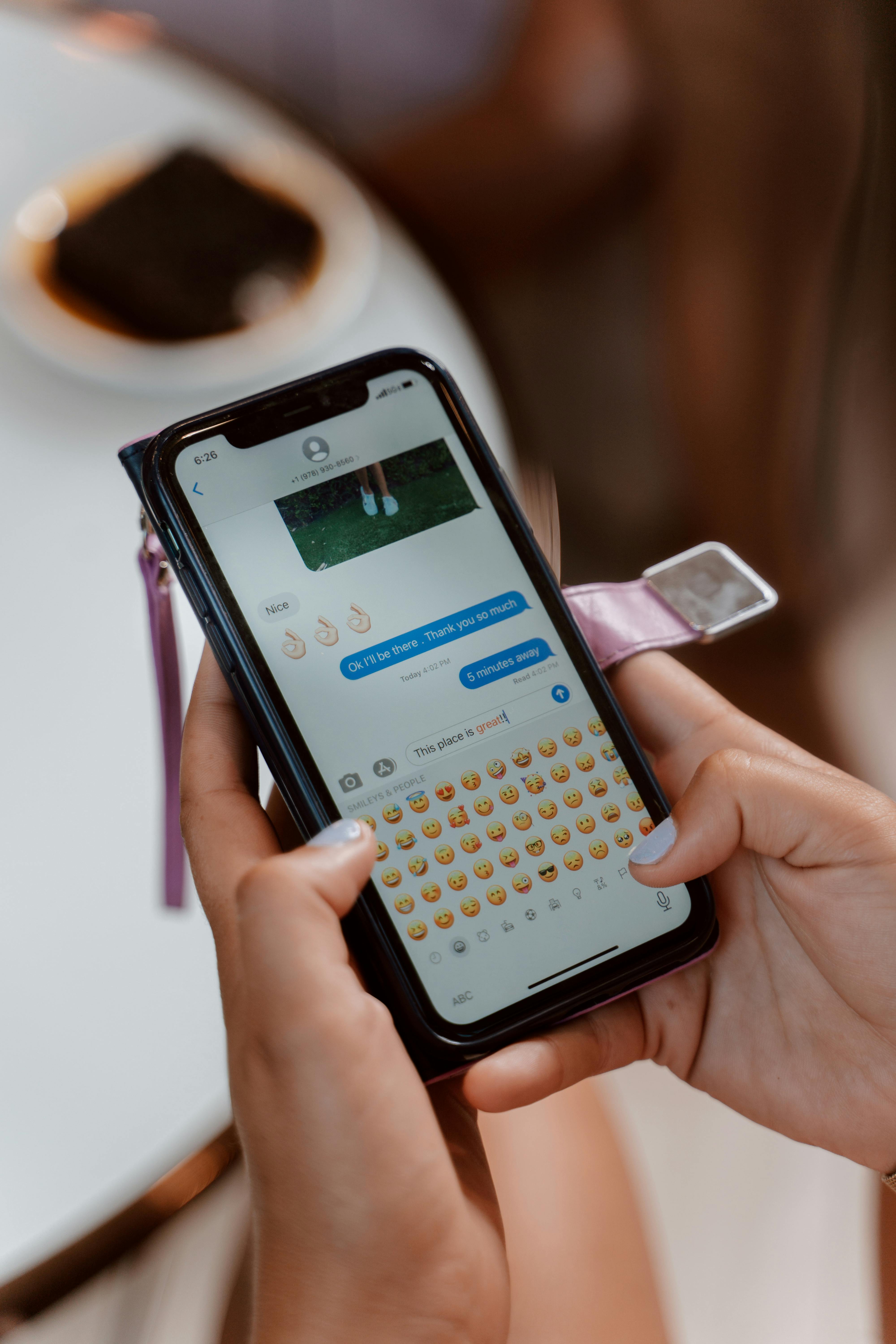
I'll never forget the moment I realized my "private" messages weren't private at all.
It was 2022, and I'd sent what I thought was a confidential message to a colleague about a sensitive work situation. Two days later, our manager referenced details from that conversation. The same details I'd only shared in that message.
Turns out, our company's messaging system kept logs of everything. Everything. And management had access whenever they wanted it.
That was my wake-up call. And it should be yours too.
The Privacy Illusion
We send billions of messages every day. Texts, chats, DMs, emails. We share personal information, financial details, private thoughts. We assume these conversations are between us and the recipient.
That assumption is wrong more often than you'd think. Understanding why privacy matters is the first step to protecting your communications.
Most messaging platforms aren't designed with privacy as the priority. They're designed for convenience, features, and let's be honest, data collection. Your messages pass through their servers, often in a form they can read, analyze, or store.
When you hit send, you're not just talking to your friend. You're potentially talking to the platform's employees, their automated systems, government agencies with warrants, hackers who breach their servers, and future versions of yourself who might regret what they wrote.
What "Encrypted" Actually Means (And Doesn't Mean)
Here's where it gets tricky. Many services claim to "encrypt" your messages. And they do! But there's encryption, and then there's encryption.
Most platforms use what's called transport encryption. Your message is scrambled as it travels across the internet, then unscrambled when it reaches the company's servers. The company can read it. They might store it. They definitely could hand it over if required by law.
Think of it like sending a letter in a locked box. The mail carrier can't open it, but the post office has a master key. Your letter is "secure" in transit, but not actually private.
Real privacy requires end-to-end encryption. That means your message is scrambled on your device and only unscrambled on the recipient's device. Nobody in between, not the service provider, not hackers, not governments, can read it. Not because they're being nice, but because they mathematically can't.
The Metadata Problem Nobody Mentions
But here's something even trickier: even with end-to-end encryption, there's still metadata.
Metadata is information about your messages rather than the messages themselves. Who you talked to, when, how often, how long the messages were, where you were when you sent them.
Sounds harmless? It's not. Metadata tells a story. Intelligence agencies have openly stated that they kill people based on metadata. That's not hyperbole, that's a quote from former NSA director Michael Hayden. Apps constantly track this communication metadata to build behavioral profiles.
You might hide what you said, but you can't hide that you said it. And sometimes that's enough.
The Messages That Haunt You
Digital messages don't disappear. That flirty text you sent five years ago? Probably still on a server somewhere. That vent session about your boss? Could resurface during your next promotion review.
I've watched friends go through divorces where years-old messages became evidence. I've seen people lose job opportunities over screenshots of things they said in "private" group chats. I've heard stories of blackmail using messages people thought were long deleted.
The internet doesn't forget. And it definitely doesn't forgive.
Building Real Privacy Into Your Communication
So what do you do? Stop messaging people? Move to a cave?
No. You just need to be smarter about how you communicate sensitive information.
For truly private conversations, use tools designed for privacy. Signal is my go-to for daily messaging, it's free, easy to use, and genuinely secure. NovelCrypt's SecretMessage is perfect when you need to share something sensitive once, with the assurance it'll actually disappear.
The key word there is "designed." These tools were built with privacy as the primary goal, not an afterthought. The math that protects your messages is fundamental to how they work, not a marketing feature bolted on later.
For everything else, just assume it's not private. Because it probably isn't.
Practical Steps For Everyday Privacy
You don't need to encrypt every "what's for dinner?" text. But you should know how to protect communications that matter.
Use end-to-end encrypted messaging for anything sensitive. Work discussions, medical information, financial details, personal conflicts, anything you wouldn't want read aloud in court should be properly encrypted.
Don't trust "disappearing" messages unless the encryption is solid. Screenshots exist. So do administrative backdoors. Temporary doesn't mean private unless it's also encrypted.
Remember that group chats are only as secure as their least secure member. Your message might be encrypted to your friend, but if they screenshot it and text it to someone else, that protection is gone.
Think before you send. Would you be okay with this message being public someday? If not, maybe don't send it at all, or at minimum, use proper encryption.
The Bigger Picture
Privacy isn't about having something to hide. It's about having something to protect. Your personal life. Your business strategy. Your mental health struggles. Your political opinions. Your creative ideas before they're ready.
These things are yours. They shouldn't be commodities for platforms to monetize or evidence for someone to use against you later.
We've gotten so used to giving up privacy for convenience that we've forgotten we don't have to. The tools exist. They're not even that hard to use. We just need to actually use them.
What This Means For You
I'm not saying you need to encrypt every message you ever send. I still use regular text messages for coordinating dinner plans. I use Instagram DMs to share memes with friends.
But for the conversations that matter, the ones involving real stakes, real vulnerability, real consequences if exposed, I use tools that actually protect my privacy.
And you should too.
Your messages tell the story of your life. Make sure you're the one controlling who gets to read it.